
Why publishers can’t afford to serve disruptive ads in 2026
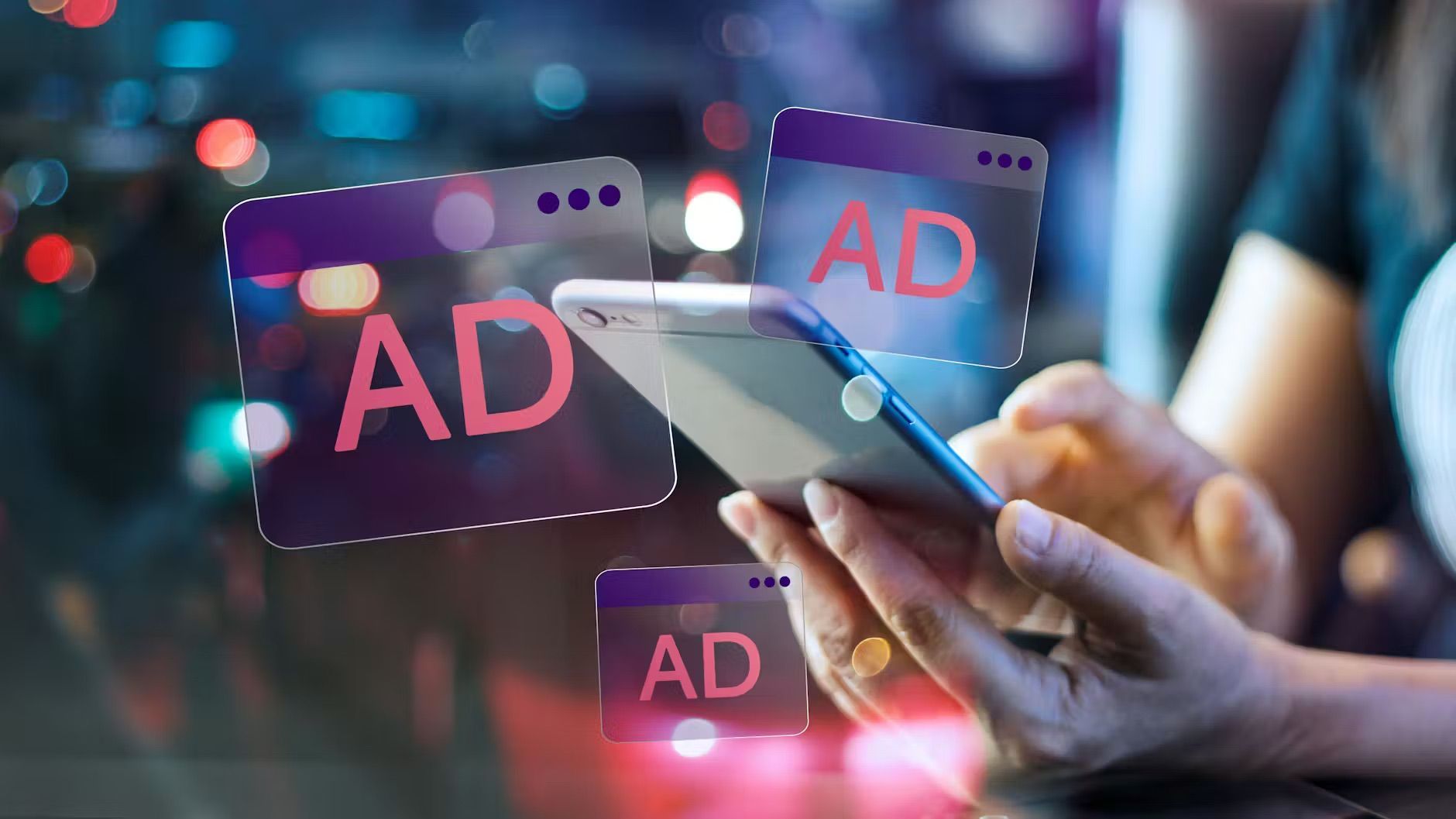
What’s the value of attention that arrives with resentment attached? Piero Pavone, CEO of Preciso says it’s time to rethink how we deliver digital ads.
Readers will put up with advertising, but they won’t put up with being interrupted. And so publishers have always lived with a tension: readers want fast content, and advertisers want ad impact.
When budgets tighten, it’s tempting to reach for supposedly ‘high-impact’ formats that grab attention. But that approach is risky, since people not only have less patience for interruption, but also more tools to avoid it.
In short, if your monetization strategy trains readers to bounce, you could lose more than an impression; you could lose habitual visitors. So how do you cultivate impact without scaring away your readers?
Start with what readers actually tolerate
Let’s be honest about what ‘disruptive’ usually means: it’s the pop-up that blocks the article; the autoplay video that starts shouting; the takeover that makes the page feel hijacked; or the prestitial that makes you wait before you can read. These formats can spike short-term metrics, but they also create the kind of friction that readers remember.
The wider industry has already signaled where the tolerance line sits. The Coalition for Better Ads exists for a reason, and browser-level filtering has made ‘annoying’ formats a commercial risk, not just a creative debate.
And today, with AI-driven search shifting referral patterns, publishers can’t afford to make loyalty optional. This matters because the cost is rarely limited to one page view; it shows up as eroded trust, higher bounce rates, and a growing sense that your site is ‘one of those’ places.
From interruption to attention
The tricky part is that disruptive ads do deliver something. They can manufacture a moment of attention, and if you’re only counting impressions, it looks like progress. But what’s the value of attention that arrives with resentment attached?
It’s time to redefine impact. Publishers should now be pushing the conversation towards a better definition, looking at outcomes that indicate real interest - time spent, scroll depth, repeat visits, and post-click quality - not just click volume. When you optimize for those signals, the logic flips. The best-performing ad is often the one that lets the reader stay in their flow, while still noticing, understanding, and acting.
There’s evidence that blending in doesn’t mean being ignored. Eye-tracking studies have shown that people looked at native placements 53% more frequently than display, while others have shown an 18% higher lift in purchase intent. Participants were also more likely to say they’d share the native ad with a friend or family member, at 32% versus 19% for banners. That’s a different kind of impact, and it aligns more closely with protecting visitor trust.
Build native the right way, without blurring the lines
Native advertising is often positioned as the antidote to disruption, but there is a method in the magic. If it’s slapped onto the page without relevance, it can feel like clickbait in nicer clothing. If it’s disguised, it undermines editorial integrity, and the trust you’re trying to leverage disappears overnight. The sweet spot is transparent, contextual, and creatively aligned. Clear ‘sponsored’ labeling is simply part of the value exchange. Readers will tolerate advertising when it respects their time, matches the moment, and doesn’t pretend to be journalism.
A fair question is whether audiences will become blind to native in the way they became blind to banners. They might, if publishers treat native as an unlimited slot machine. The argument with native is the same as it is with disruption – keep it relevant, vary the creative, and optimize for attention quality rather than sheer volume.
If you’re testing placements and creative versions properly, native remains something the reader can engage with, not something they learn to skip.
Publishers, take the wheel
This is where publishers need to be a bit firmer with the market. Brands still want reach and performance, and publishers still need revenue. But publishers don’t have to accept every format that a media plan demands, especially when it degrades the audience you’re offering access to. Start by setting non-negotiables for ad experiences, and enforce them consistently. Keep a tight list of formats that are off-limits, and treat autoplay sound, intrusive interstitials, and aggressive pop-ups as a last resort you should rarely, if ever, reach for.
Next, use the controls you already have in programmatic to protect both yield and experience. Publishers can choose who they work with, set floor prices, and run unified auctions through header bidding that put demand partners on a level playing field. The point isn’t to squeeze every last penny out of the page, but to monetize in a way that doesn’t turn your audience into collateral damage.
Finally, bring brands into the reality of publisher economics. If a campaign needs disruption to work effectively, it’s probably compensating for poor creative, weak context, or lazy measurement. The better trade is to build formats that earn attention, and to judge success on what happens after the click. That’s how you keep readers coming back, and it’s how you keep advertisers spending, too.
Publishers need native formats that earn attention without breaking flow, and measurement that rewards quality, not noise. Protect the habit, and the impact follows - both for readers and revenue.
Also published in: The Drum
More from our team & client partners