
Data, collaboration, self-awareness: insights from media research awards
Lumen Research’s Mike Follett and Brand Metrics’ Sean Adams share eight insights from the Mediatel Media Research Awards.
Mediatel hosted its prestigious Media Research Awards 2022 event in London, following a 24-month, Covid-driven hiatus, last month.
To collect nearly 200 of media research’s leading players in the same room was novel enough, but the evidence of the finalists was that, while in-person interactions may have ground to a halt over the past two years, media innovation definitely hasn’t.
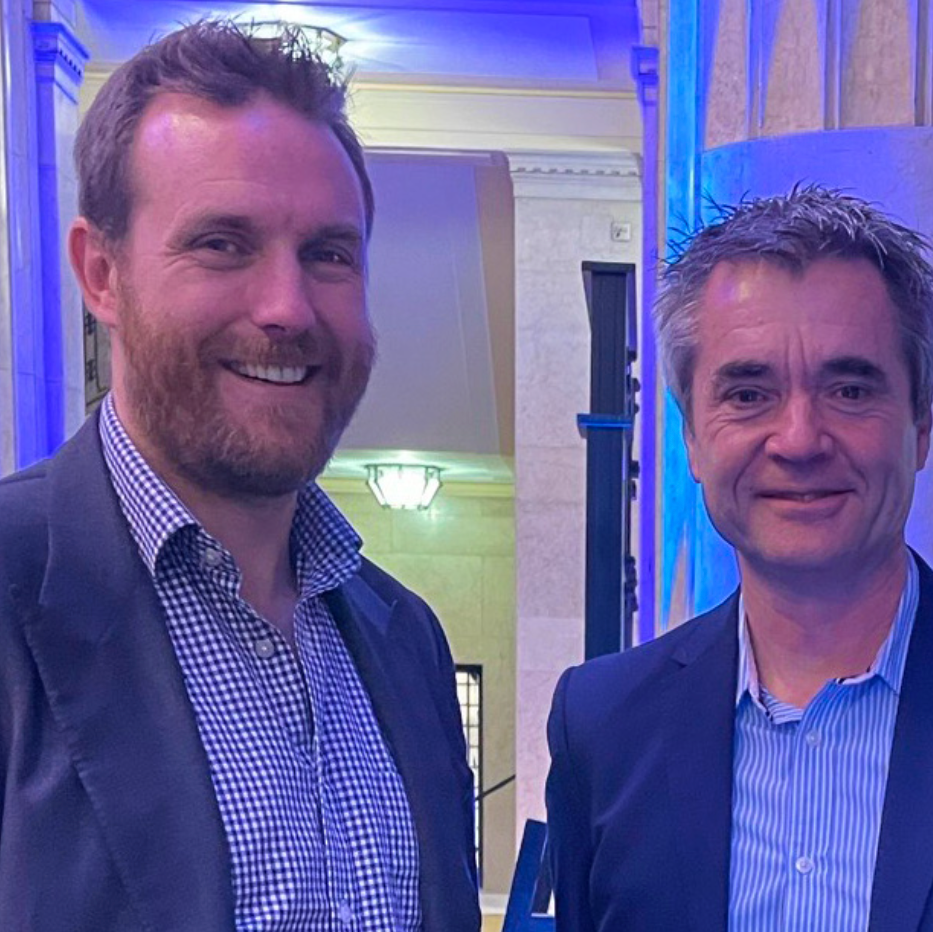
Michael Follett, managing director of gold sponsor Lumen, and Sean Adams, global insight director of silver sponsor Brand Metrics, were there. “It was lovely to see so many smart and talented people in the same place at the same time,” says Follett.
Each had their favourites among the entries, but they were united in their admiration for the finalists. Between them, they identified the key themes from the day.
From data to insight via tools
Sean Adams: Many projects generated a huge amount of data, with various finalists focusing on how they helped turn that data into usable insight by developing practical tools and models.
Good examples here include Thinkbox’s ‘Demand Generation’, which produced a freely available econometric tool, and ‘The OOH Playbook’, a collaboration involving Kinetic, Wavemaker, MediaCom, JC Decaux, Clear Channel and Global.
Streams not studies
Mike Follett: There were many interesting and valuable ad-hoc projects presented at the awards, but certainly a number of the big prizes went to ongoing projects that would give clients a stream of data over time.
JCDecaux/Posterscope/Clear Channel’s paper on the effectiveness of out of home relied on ongoing datasets, rather than one-off studies, to great effect.
Selfless collaboration will set you free
SA: Another aspect of the JC Decaux/Posterscope/Clear Channel ‘Moment of truth’ study was that it was one of several examples of companies working closely together to help solve shared challenges. In their case they are direct competitors, but we also saw collaborations between advertisers – such as ITV’s bespoke partnerships programme, utilising the abilities of System1 and Neuro-Insight – and coalitions of agencies and media owners, as we saw with ‘The OOH Playbook’.
Dare to go big
SA: Many finalists showed the courage to extend the limits of a project into something more substantial, whether via scale, as in the case of OMD’s ‘Superpanel’ for Google, or range – Sony’s 21-market home entertainment study – or continuity, as we saw with Global’s always-on ‘Audience Insider’ tracker.
Tools rather than insight
MF: Some of the most exciting ideas were on display within the paper with, frankly, the most boring title.
OMD’s ‘Structural Equation Model for Smarter Insight Generation’ described how the team had developed a scalable tool, written in R and brought to life in Tableau, to help media planners get to robust insights from diffuse and confusing datasets.
Give a man a fish (or an insight), you feed him for a day; teach a man to fish (or fish for insights using a structural equation model), and you feed him for a lifetime.
The potential of optimisation
SA: Media research is never an end result, merely the stepping-stone to improvement. Several entries focused on the optimisation potential of their work, including JC Decaux’s project seeking to identify the optimum length for DOOH creative and Dentsu’s work with Lumen, unlocking ways of integrating attention data into campaign planning and buying.
A long, hard look at accountability
SA: Ultimately, media research is aiming to demonstrate its own value to an organisation and often this can be done by identifying opportunities for greater accountability and effectiveness.
Digital i tackled this via its SoDa project, providing better insight into SVOD viewing behaviour, while Ipsos and Google tackled the thorny topic of data ethics, to help evolve a longer-term narrative around data privacy.
Turning a research lens on the media industry itself
MF: The runaway winner of the day was the PwC/ISBA/AOP programmatic supply-path investigation, which added three more gongs to their total, including the Grand Prix – Sam Tomlinson and his team are going to have to build a bigger trophy cabinet. Their study looks at wastage within programmatic infrastructure, and has come up with some fairly shocking results: even after their forensic analysis of where the money goes in programmatic, 15% of the budget remains unaccounted for.
What’s interesting about this research is its internal focus and its practical application. We all find it fascinating because it addresses a pressing and personal problem – and provides actionable solutions we can all put in place.
SA: The overall Grand Prix winner managed to span accountability, ambition and collaboration. The project outcomes represent an important catalyst towards a more transparent and accountable future for the industry.
A truly worthy winner and, as a company that also believes strongly in effectiveness and scale, a theme Brand Metrics thoroughly supports.
Thanks to the hard work of the Mediatel team, and a big hat-tip to all who entered – winners, finalists and non-finalists alike. Here’s to doing it all again in 2023.
Also published in: The Media Leader
Podcasts powered by AudioHarvest
More from our team & client partners