
Sara Vincent of Utiq: “Advertisers are starting to understand the performance power of the open web”
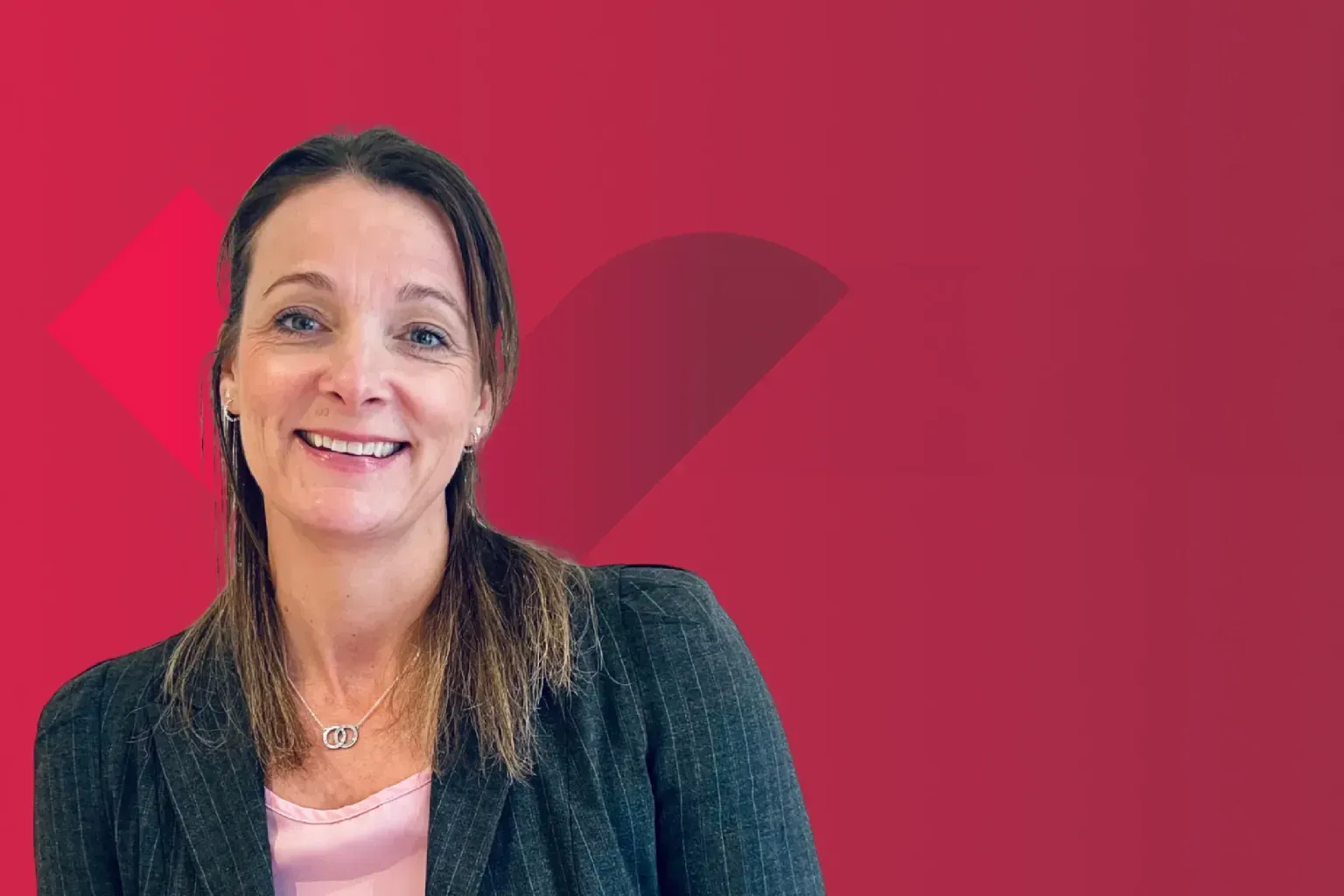
As Utiq announces its official UK launch, NDA caught up with UK Managing Director Sara Vincent to find out more about the company’s plans for the region…
You’ve been with Utiq as MD for 18 months now – how have you found the experience so far? Has anything surprised you?
It’s been an incredible journey so far, and we are very excited to move into the next chapter. Launching a new business has challenges, but the clarity of the offering and the problem you are solving is paramount. We have been able to relay this to the industry, and as a result, the feedback and sentiment has been very positive across all cohorts – publishers, brands and advertisers. In all honesty, this has surprised me – I definitely expected more obstacles to navigate – but the groundswell of support and the desire to embrace innovation has been reassuring, and puts us in a great place to move things to the next stage.
What does the latest launch in the UK mean for the business?
Now we have two telco partners enabled – Virgin Media O2 and Vodafone – it means we have the potential to reach just under half of the UK’s mobile user base, which is unprecedented. In order to realise this scale, we now need to start generating the IDs. This happens when users give consent across publishers in the UK, so as a team, we are focused on integrating with a number of the UK’s largest and premium publishers. We have already announced partnerships with Immediate Media, Bauer Media and Netmums, and there will be more to follow in the coming weeks and months.
Have you been able to apply any learnings to the UK launch from the other European marketplaces where Utiq is already live?
Yes, lots. We are in the fortunate position to be around 18 months behind our European markets, which means I have great insight into best practices when launching and scaling Utiq. We also have opportunities to leverage our existing relationships with European publishers and advertisers that wish to expand their Utiq coverage into the UK market. So, knowing that we have been able to get up and running in these other European countries from a standing start, we are really well positioned for the UK launch.
Are there any factors that are unique to the UK marketplace?
The UK is unique in many respects, and presents its own challenges. However, the problem we are looking to solve is universal, therefore our offering resonates in any market. The open web is at risk, publisher inventory is less addressable, and budgets are migrating to walled gardens. Utiq provides a solution to inventory identification, while also driving better outcomes for advertisers in the open web environment, where they are currently under-represented.
What are the big talking points among your client base at the moment?
From an advertiser’s standpoint, it’s: how can I make my media spend work harder and measure it more accurately? For publishers, it’s: how can I make my audience more valuable and engaged, while continuing to drive revenue to support the business? Our solution helps both parties solve these issues.
What does success look like for Utiq over the next couple of years?
I am aiming for at least 80% market coverage and adoption of Utiq in the UK by the end of 2026. If we hit this number, it will mean we have been successful in shifting the mindset of the industry and hopefully going some way to redress the imbalance in spend on the open web. Ultimately, success for us means that publishers and brands are able to better monetise their audiences in a fully consented and privacy-safe way, and advertisers are achieving more from their media budgets and starting to spend more in the open web because it naturally performs better. This is not just our gut feeling – we have the data to back this up from the other territories where we are already live.
You’ve been with Utiq as MD for 18 months now – how have you found the experience so far? Has anything surprised you?
It’s been an incredible journey so far, and we are very excited to move into the next chapter. Launching a new business has challenges, but the clarity of the offering and the problem you are solving is paramount. We have been able to relay this to the industry, and as a result, the feedback and sentiment has been very positive across all cohorts – publishers, brands and advertisers. In all honesty, this has surprised me – I definitely expected more obstacles to navigate – but the groundswell of support and the desire to embrace innovation has been reassuring, and puts us in a great place to move things to the next stage.
What does the latest launch in the UK mean for the business?
Now we have two telco partners enabled – Virgin Media O2 and Vodafone – it means we have the potential to reach just under half of the UK’s mobile user base, which is unprecedented. In order to realise this scale, we now need to start generating the IDs. This happens when users give consent across publishers in the UK, so as a team, we are focused on integrating with a number of the UK’s largest and premium publishers. We have already announced partnerships with Immediate Media, Bauer Media and Netmums, and there will be more to follow in the coming weeks and months.
Have you been able to apply any learnings to the UK launch from the other European marketplaces where Utiq is already live?
Yes, lots. We are in the fortunate position to be around 18 months behind our European markets, which means I have great insight into best practices when launching and scaling Utiq. We also have opportunities to leverage our existing relationships with European publishers and advertisers that wish to expand their Utiq coverage into the UK market. So, knowing that we have been able to get up and running in these other European countries from a standing start, we are really well positioned for the UK launch.
Are there any factors that are unique to the UK marketplace?
The UK is unique in many respects, and presents its own challenges. However, the problem we are looking to solve is universal, therefore our offering resonates in any market. The open web is at risk, publisher inventory is less addressable, and budgets are migrating to walled gardens. Utiq provides a solution to inventory identification, while also driving better outcomes for advertisers in the open web environment, where they are currently under-represented.
What are the big talking points among your client base at the moment?
From an advertiser’s standpoint, it’s: how can I make my media spend work harder and measure it more accurately? For publishers, it’s: how can I make my audience more valuable and engaged, while continuing to drive revenue to support the business? Our solution helps both parties solve these issues.
What does success look like for Utiq over the next couple of years?
I am aiming for at least 80% market coverage and adoption of Utiq in the UK by the end of 2026. If we hit this number, it will mean we have been successful in shifting the mindset of the industry and hopefully going some way to redress the imbalance in spend on the open web. Ultimately, success for us means that publishers and brands are able to better monetise their audiences in a fully consented and privacy-safe way, and advertisers are achieving more from their media budgets and starting to spend more in the open web because it naturally performs better. This is not just our gut feeling – we have the data to back this up from the other territories where we are already live.
Also published in: New Digital Age
More from our team & client partners