
Opening the door to programmatic for e-commerce SMEs
E-commerce and programmatic have something important in common: it is far easier for larger companies with bigger budgets to access these advertising channels than it is for smaller businesses with more modest financial, technical or human resources.
After all, it can be both expensive and time-consuming to create the necessary platforms to sell products successfully online, and near impossible to develop or cheaply access the technology needed to secure premium advertising space.
This can then perpetuate a cycle in which success and profit remain the province of the big players, which in turn stifles competition from up-and-coming enterprises and limits consumer choice.
Supercharging SME success with Shopify
As of last year, e-commerce accounted for more than 19% of retail sales worldwide - and with over 10% of that market, Shopify’s software enabled enormous volumes of consumer purchases in 2023.
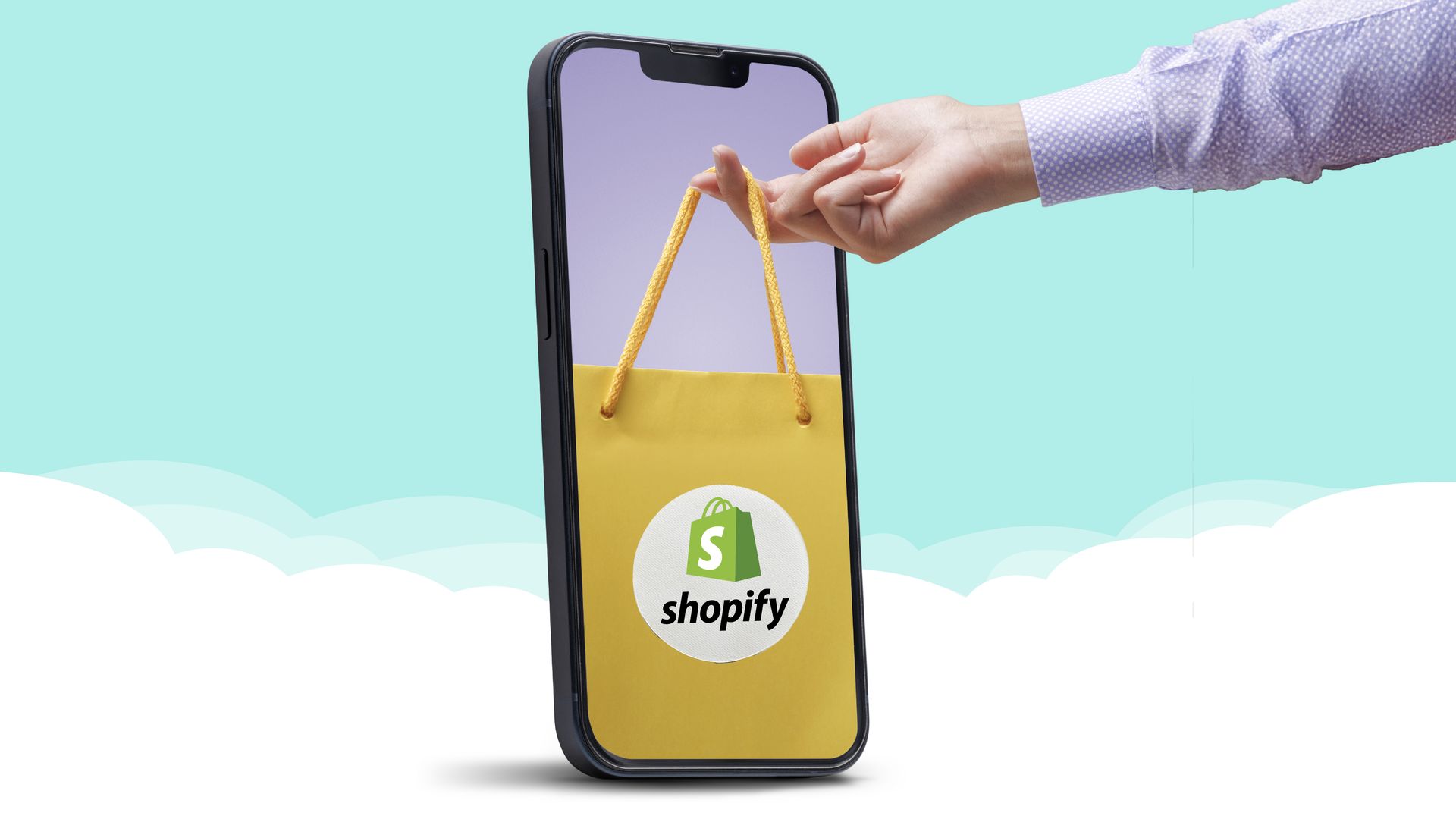
The Shopify model focuses on opening up the vast potential of online selling to all retailers, in particular small and medium-sized enterprises. In allowing smaller or less well-established companies to build their own web stores, Shopify - and others like it - gives such merchants the opportunity to leverage the platform, expertise and technology of an e-commerce giant with minimal investment of their own time and resources.
As well as facilitating digital shopping and providing necessary infrastructure including payment mechanisms and shipping solutions, platforms such as Shopify give small brands access to
marketing tools and first-party user data, helping them grow their revenues through informed, privacy-compliant advertising. And among those tools are app integrations with selected partners from the programmatic ecosystem - of which Preciso is one.
The power of symbiotic partnerships: e-commerce and programmatic
Once integrated, programmatic ad solutions represent a highly efficient advertising option - offering great results - typically, increased sales and ROI - for only a minimal ongoing cost. This highly favourable relationship between ad spend and brand outcomes in large part explains the phenomenal rise of programmatic, which is set to reach $700 billion globally by 2026.
So the question for SMEs therefore becomes: how best to go about accessing this functionality? And what should businesses look for in their e-commerce and bidding platforms?
1. Simple integration: The key for SMEs is to be able to onboard these solutions easily, so they can rapidly begin to launch the kind of effective ad campaigns that drive conversions. However, with many DSPs, ease of integration is by no means a given. In the vast majority of cases, the process can be complicated and difficult to manage, especially for smaller companies.
Often an external tool is needed to get the benefit of product recommendations and feed integrations. But SMEs need to be able to go live with just a few clicks - a plug-and-play set-up rather than a multi-stage implementation process.
It is also essential that, for businesses accessing these bidding solutions via Shopify or other e-commerce platforms, the level of customer support remains as high as for the bidder’s direct clients - irrespective of the SME’s available ad budget.
2. Enhanced targeting capabilities: Having established their online store, and sought out partner DSPs who can simplify the process of onboarding, retailers can then use the vast body of first-party, fully-consented consumer data at their disposal to inform highly accurate and nuanced real-time audience targeting.
Shopify houses this data, such as purchase histories and customer demographics, and provides it to bidding platforms like Preciso with which it has established app integrations.
3. Campaign optimisation:
This data - collated by Shopify and similar e-commerce platforms - is then used to refine the bidding process. Adopting machine learning and highly specific audience ranking technology ensures precise media buying and deeply relevant ad placements. This also enables personalised ad delivery, which drives more meaningful engagement and positive brand perceptions.
These outcomes can be achieved without the familiar constraints of minimum campaign budgets so often imposed by the major ad agencies. The result is campaign optimisation that is privacy-centric, cost-effective and delivers against - and even exceeds - sales targets.
Through these partnerships, such as that established between Shopify and Preciso, the cycle of excluding small yet vital players from the marketplace is broken. Smaller enterprises are directly accessing advanced programmatic tools which boost their profile - and their revenues.
Shopify has thousands of
app integrations, and Preciso’s recently upgraded version makes it even easier for SMEs in particular to launch targeted display ad campaigns.
Also published in:
Martech Outlook
More from our team & client partners