
The rise, fall and future of the subscription model
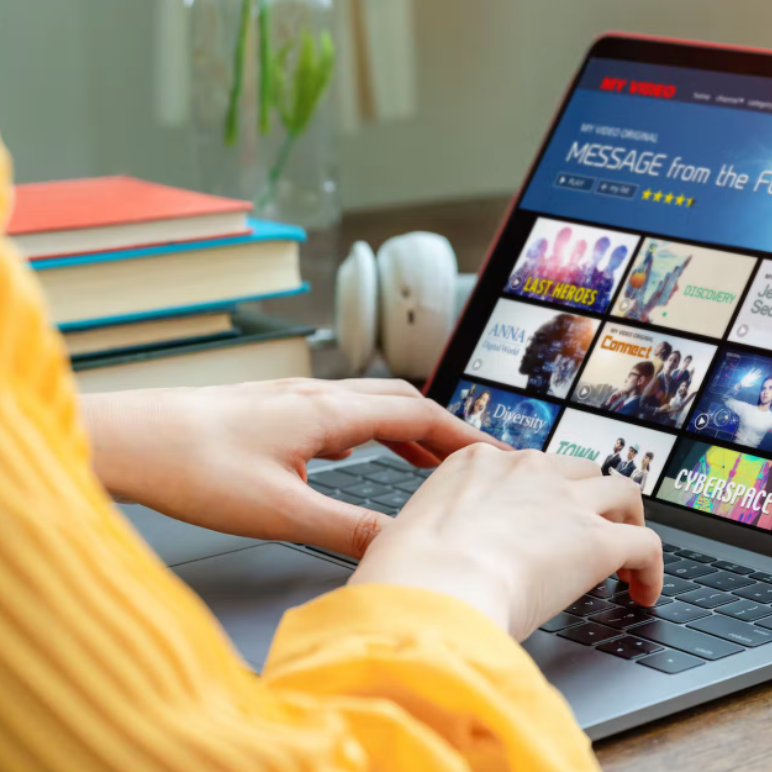
Passendo CCO, Anders Rantzau, talks about Netflix’s recent subscription woes, what they mean for the broader industry, and how the subscription economy is primed for a fascinating future.
Ten years ago, Netflix released its first piece of subscriber-exclusive content in the form of Lilyhammer - a crime-drama based in Norway - and fired the starter gun on a decade of meteoric expansion and growth. Soon, hundreds of Netflix-exclusive movies and TV shows were in production (from The Crown to F1: Drive to Survive), and by 2022 the streaming service boasted 222 million subscribers.
In March of this year, Netflix confidently predicted half a billion subscribers would eventually call Netflix home. Yet, since then the service has announced that in the first quarter of 2022 subscriber numbers dropped for the first time in a decade, and that it expects to lose two million subscribers in the second quarter of the year. This immediately wiped $54bn dollars from its value, and forced the industry to ask: has the bubble finally burst for the subscription economy, or is this just a bump in the road?
In comparison to its competitors, Netflix is in a uniquely vulnerable position because subscriptions form its sole revenue stream. Apple’s main business is technology, Amazon has… well, the rest of Amazon, HBO is a subsidiary of Warner Bros. Discovery, and Disney has Mickey Mouse and theme parks.
Competition and exhaustion
Yet, there’s a sense in the industry that we’re reaching a critical moment in the subscription era. The public is successfully immunized against ownership, but brands and publishers must be careful because the ‘one-subscription-fits-all’ model is beginning to look a little shaky. Consumers need better choice and control.
There are a couple of reasons for this – the first is cost. As the pandemic hit in early 2020, streaming services experienced a 26% increase in subscriptions as audiences sought entertainment from the safety of their homes. But, for many the cost of these new subscriptions is starting to look expensive, and people are being increasingly selective about where they spend their cash.
This is compounded by the growing number of subscriptions available that offer an overwhelming quantity of content for consumption. As the world moves towards a return to ‘normal’, people don’t have the time to consume all the entertainment available. Even the effort of deciding what to watch – for example – causes fatigue, pushing audiences towards broadcasters that curate specialist, localized programming.
This combined with stiff competition from other subscription services in the market, and audiences are learning to pick and choose where they subscribe for their VOD services, grocery shopping or daily news.
Subscription v2.0
Netflix will bounce back. The service is already trialing a cheaper subscription rate featuring ads that will, I’m sure, prove a success if given the green light. However, others must learn from Netflix’s experience and develop greater emotional connections with their customers while also protecting valuable content, and this will form the basis of the future for the subscription economy.
Many publishers are ahead of the game on this, and offer new subscription verticals based on specialist audience interests. The New York Times, for example, has a standalone puzzles subscription, while Esquire US offers a vertical based on particular editorial staff.
And it's not just large publishers getting in on the act. The likes of Substack, an email service provider, allow anyone to launch a newsletter (on any topic, regardless of how niche) and charge their readers for their subscription. Want info on how to homeschool your kids or produce your first record from your bedroom? Substack has a subscription for that.
The learning here is that broad, one-size-fits-all subscriptions no longer cater for the level of personalization the internet has made audiences accustomed too. Building new verticals that offer greater value and personalization, whether that’s via extra content or invitations to webinars and courses, will engage consumers and encourage loyalty.
Push the envelope
These are turbulent times for the publishing industry, but the subscription economy can play a significant role in building new revenue streams, reaching new audiences via email and finding new channels for content.
Publishers and streaming services need to be bold to benefit from the significant opportunities the subscription economy has to offer. In a post-pandemic world consumers understand they must pay for high quality publishing. The industry needs to find creative, meaningful means of engaging subscribers that go beyond swamping their audience with a broad mix of miscellaneous content. Hit and hope doesn’t work anymore. This is how Netflix will build long-term relationships with its audience, and consolidate the growth it experienced in the last two years.
Also published in: The Drum
Podcasts powered by AudioHarvest
More from our team & client partners