
Q&A: Ian Moss of the UK Stop Ad Fraud Coalition
Juniper Research estimates the value of digital advertising spend lost to fraud will reach $68 billion globally in 2022; rising from $59 billion in 2021. This places the UK among the 5 biggest markets for ad fraud in the world.
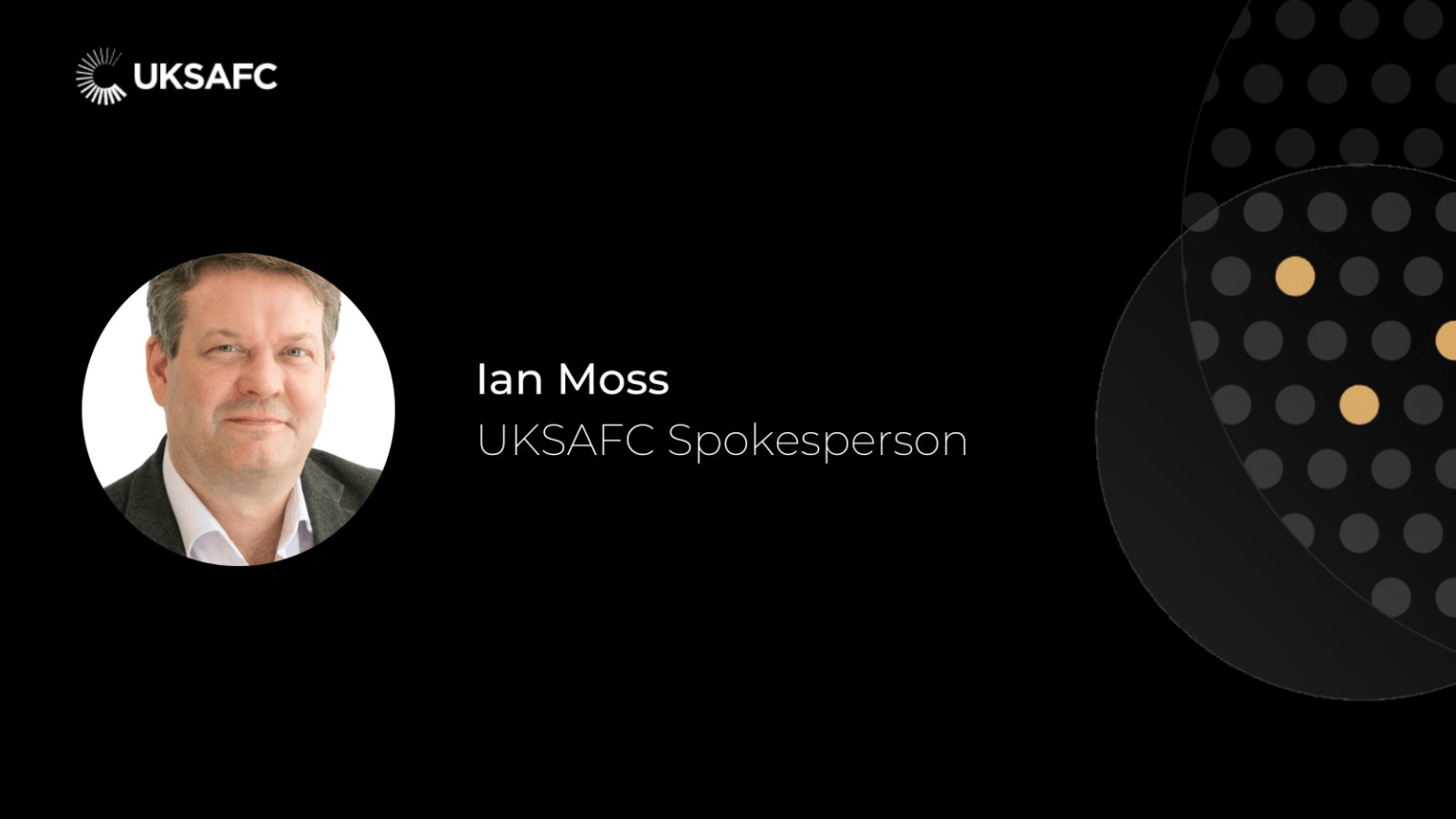
New Digital Age caught up with Ian Moss, an advisor to the UK Stop Ad Fraud Coalition, to find out more about the motivations behind this new organisation.
You’ve recently become an advisor to and lead spokesperson for the UK Stop Ad Fraud Coalition (UKSAFC). What’s encouraged you to get involved with this group?
Ad fraud is an issue close to my heart. It’s one I’ve been around for some time, both from a government policy perspective and from working with companies that have been engaging with bad actors. And it’s a huge issue involving eye-watering amounts of money. This year the UK will lose over £1bn to digital ad fraud, yet we still haven’t cracked this issue as an industry. But it’s imperative we do, and the Coalition represents the best chance to do this.
There have been past attempts to address ad fraud, but little progress has been made. What’s different this time?
Repeated attempts have been made to tackle this issue, but they’ve always been by single groups within the industry, usually agencies or brands coming together independently. This means the problem has never been fully addressed. And while they have driven a level of engagement, the nature of doing business in this rapidly changing industry means something else inevitably crops up to distract them.
The UKSAFC is different because it’s about galvanising all the constituent parts of the value chain. It brings everyone together to ensure a united, coordinated and focused approach. And we recognise this isn’t simply an industry issue, so we’re looking to engage the government and bring this issue closer to a political audience.
There’s also a commitment to ruthlessly focus on following the money. Ad fraud isn’t simply about brands, agencies and publishers losing out on revenue or unknowingly committing fraud. While this is bad enough, the broader social impact must be recognised. That’s why the Coalition wants to uncover who’s committing the fraud and where this money goes. And today’s sophisticated ad fraud is driven by criminal gangs, organised crime and, in some cases, state-sponsored activities.
Will this organisation have the necessary authority to drive change?
It will, because many across the industry are determined to break this cycle of fraud. We must act collectively, otherwise something much worse will be imposed on us through government regulation. And given the levels of fraud and the criminality it underwrites, we also risk a complete loss of confidence in online advertising. This is why this group must make a difference.
There’s a real appetite across the industry from brands, agencies, publishers and solution providers to join the Coalition, engage with the issue and, most importantly, come up with solutions. This time, we are going to make a difference.
What steps will the Coalition take to make this difference?
Firstly, there’s a critical coordinating activity. We need to bring together the stakeholders across the whole industry value chain. But we also need to involve government and the enforcement agencies as well as build up research, expertise and share this knowledge across all parties.
Secondly, we need to highlight the scale of UK ad fraud. We will do this by using research to calculate the economic significance of the industry and the threat that ad fraud poses to it. And we want to do this in a way that will move people to act. For example, we want the government to look at its own procurement and regulation and what the enforcement authorities can do. We want to build up evidence around individuals and sites involved to showcase what’s happening so the authorities can bring cases against them. That’s why we’re taking an action-based approach.
So how can interested parties get involved with the Coalition?
They can go to our website – uksafc.org – click the contact button, and we’ll get back to them.
Galvanising the expertise and having as broad an industry coalition as possible is critical to the success. Ad fraud affects us all, so the solution requires a united approach. And while we want and need support and knowledge, we don’t want to take up too much of people’s time. That’s why our monthly meetings are short and action-focused.
Ad fraud has gone on for too long. It’s destroying industry value, and the proceeds are destroying lives. Collective responsibility is vital. We’re blessed that the UK advertising industry is a world leader, so in addressing this issue, we can stamp its authority and take a global lead in ensuring a better, safer online environment for everyone.
More from our team & client partners