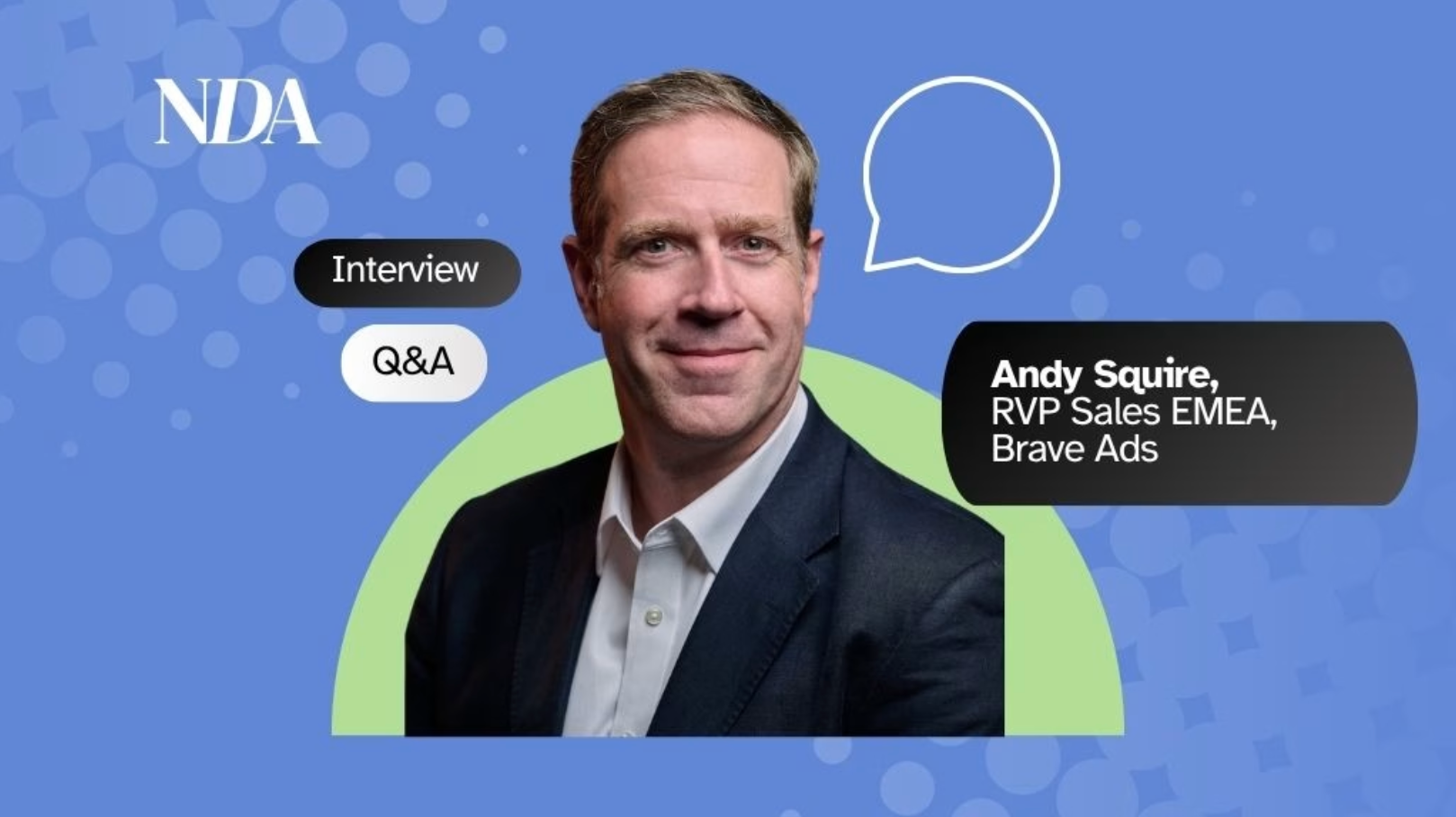

Q&A: Why affiliate marketing simply doesn’t work without automation

Once limited to publisher websites, discount codes and loyalty programmes, affiliate marketing has now expanded into a much more complex marketing environment. Today, there’s a whole host of new data sources to manage, such as social media influencers, business development partners, and paid media partners, to name a few.
In turn, this increased complexity calls for new ways for brands to make the most of their affiliate data. We caught up with Florian Gramshammer, MD EMEA at impact.com, to find out why automation is rapidly becoming table stakes when it comes to effective affiliate marketing.
Affiliate INSIDER: As the web of affiliate marketing becomes more intricate, how important is automation?
Affiliate channels have exploded in recent years, so we’re now seeing the need for more quantitative analysis for brands to get the best insight from data. But the sheer volume of data – not to mention the number of disparate sources – means that performing this type of analysis manually, at this scale, becomes unsustainable in a heartbeat.
Affiliate INSIDER: What should affiliate marketers look to automate in
particular?
There are different aspects of automation throughout the partner management life cycle that need to be considered. As we see it, this life cycle can be split into six distinct phases, with automation built into each, so that affiliate marketers can start to streamline and optimise their strategy.
Affiliate INSIDER: So what are the six stages of the partner management life cycle?
First, you have the ‘discover and recruit’ stage, where brands can tap into an automated partner management platform to gain access to tens of thousands of fully vetted influencers, as well as brand and affiliate partners. They also get access to a CRM which streamlines migration, discovery and recruitment, and manages and optimises existing partner relationships. By automating this stage, marketers can be confident they have one source of truth documenting the partner onboarding journey.
Second is the ‘contract and pay’ stage, where they can use automated templates to build customer contracts on the fly, and then easily pay partners on a CPA or CPL basis, for instance – all without needing to factor in any additional development resources.
Next up is the ‘tracking’ stage, which is probably the most important stage to automate as you won’t be able to optimise later down the line without properly tracking and attributing your client journey to acquisition. This needs to be tracked from first click to last click, while also considering cross-channel and cross-device interactions along the way. And you also need to be able to report on the metrics that matter, when they matter, i.e. in real-time. And of course, this can only be achieved through automation.
The fourth stage is to ensure streamlined partner engagement and ongoing management. By using a partner management platform, marketers can tap into a white-labelled partner experience, from sign-up through to partner UI. Automating this process reduces all the typical back and forth between partners by making it easy for them to access performance reports, contracts, content, commission and so on.
The penultimate stage of the affiliate life cycle is protecting and monitoring activity, such as audience authenticity, website traffic or traffic demographics.
Keeping tabs on when and how a partner is promoting your content is vital, but as with the other stages, this can be painstakingly arduous, not to mention prone to risk, if you’re trying to attempt this manually. You need to have all your compliance and communication data in one centralised platform in order to be able to effectively protect and monitor your partner activity.
The final stage is optimisation, which involves extracting meaningful insights from the data you’ve collected along the client journey to better understand client and partner behaviour. Again, with the sheer volume of data that brands have to aggregate and normalise, no one really has time (or financial resources) to do this manually. A partner management platform can do the heavy lifting so that affiliate marketers can get straight to making more educated decisions on how best to optimise their partnerships going forward.
Affiliate INSIDER: So really, marketers should be automating throughout the entire partner life cycle?
I think, in summary, automation is so important in affiliate marketing because when you automate the mundane, functional tasks, you have more time for the more creative and innately human tasks. You’re suddenly able to spend more time on strategy, which gives you the confidence to make longer-term decisions that impact your bottom line.
And finally – and this is especially important for affiliates – automating tasks gives you more time for building more meaningful partnerships, both in terms of deepening existing relationships and building new ones.
Also published in: Affiliate Insider
Podcasts powered by AudioHarvest
More from our team & client partners