
From policy to practice
Creating an inclusive work culture
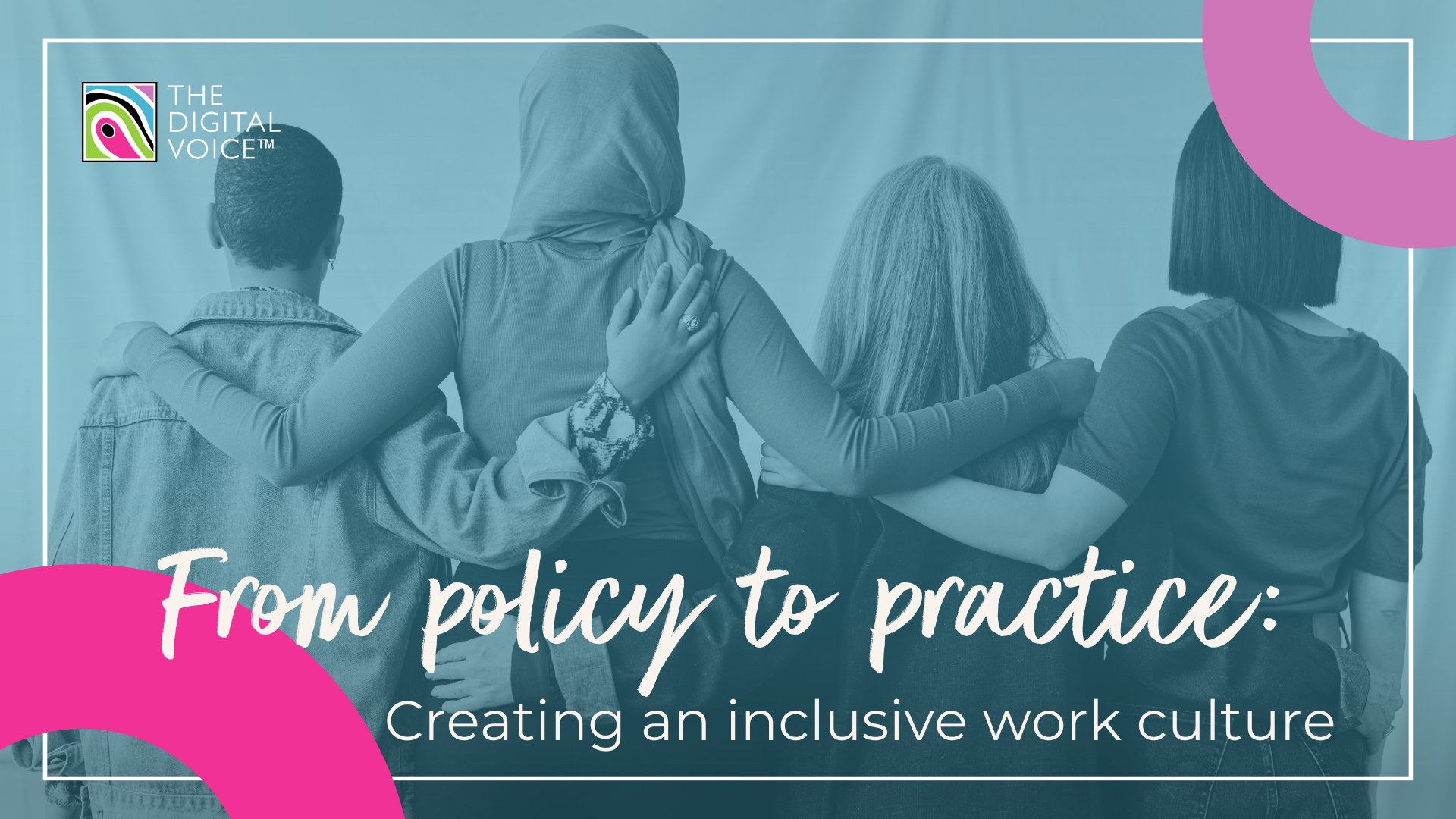
Every employer has a responsibility to ensure an inclusive and equal working environment for all its employees, regardless of race, religion, gender identity, disability, or marital or pregnancy status.
Three-quarters of employees
(76%) value diversity in their workplace. For companies who prioritise inclusivity and equality, the benefits are huge: reduced employee turnover, heightened productivity and innovation, access to a broader talent pool, and ultimately, a better industry reputation.
However, according to
Workday in 2021, two-fifths of employees (40%) reported experiencing feelings of exclusion at work, and only 35% of executive teams regarded diversity, equality and inclusion (DEI) as critically important for their operations. While we’ve seen a number of positive strides towards fostering more diverse and inclusive workplaces since then, there is still room for improvement.
Effective DEI policies form the bedrock of an inclusive culture. Policies like the
Equality Act of 2010 serve as the blueprint for creating an environment where every individual feels valued, respected, and able to contribute their unique perspectives. The act protects employees against discrimination based on age, disability, sexual orientation, gender and gender reassignment, marriage and civil partnership, pregnancy and maternity, race, religion and belief.
Seven effective strategies to promote DEI
Creating an inclusive culture is no longer a buzzword, but a strategic imperative for employers seeking sustainable success. It goes beyond policies; it requires a concerted effort to embed inclusivity into every facet of a company’s operations. Here are some of the most effective strategies that companies can adopt to promote inclusivity and diversity:
- Educate and raise awareness
One of the fundamental steps toward promoting diversity and inclusivity is to educate and raise awareness about the importance of these values among your employees. Conducting workshops, seminars and training sessions on DEI can help individuals understand the challenges faced by marginalised groups and develop empathy and understanding.
- Implement inclusive policies
Establishing inclusive policies is vital to ensure that DEI is embedded in the core values of an employer and its community. These policies should actively promote diversity in hiring and promotion practices so there are equal opportunities for all candidates regardless of their background.
- Create diverse representation
Diverse representation is crucial to foster inclusivity and ensure that all voices are heard and valued. It is essential to aim for diverse representation in leadership positions, decision-making bodies, and committees. This includes considering all the demographics mentioned above. By embracing diversity in leadership, employers can create role models and inspire others to strive for success.
- Foster inclusive communication
Communication plays a vital role in promoting DEI. Encouraging open, respectful and inclusive communication channels is crucial. This includes avoiding stereotypes, microaggressions and other forms of exclusionary language. Employers should create a safe space for individuals to express their ideas and concerns, ensuring that all voices are heard and valued.
- Support diverse initiatives and causes
Not only supporting, but actively engaging with initiatives that promote DEI is a powerful way to make a difference. This can involve partnerships, sponsorships, or volunteering efforts. By aligning with diverse initiatives, employers can contribute to the broader goal of creating a more inclusive society.
- Equal pay for equal work
The principle of equal pay for equal work, as outlined in the
Equality Act 2010, places the onus on employers to ensure that individuals of all genders engaged in the same role receive commensurate compensation. This extends beyond basic salary, encompassing non-discretionary bonuses, performance-related benefits, overtime rates and various allowances.
- Inclusive job ads
Creating inclusive job ads is essential if HR departments are looking to attract a diverse pool of qualified candidates. Therefore, they should be mindful of unintentional biases that may slip into the language of job descriptions. They should also refrain from using gendered pronouns, and steer clear of statements implying suitability for a specific age group. It’s also good practice to ask a third party, such as a recruitment agency or a trusted colleague, to review job ads before posting. This extra step can help eliminate any inadvertent biases and promote a more welcoming and equitable hiring process.
DEI has become a hot topic in recent years and the conversation will only get louder until we get it right. But by cultivating inclusive cultures and promoting diverse representation in leadership, employers are steadily starting to tap into the full potential of their workforce.
To delve deeper into the topic of DEI, check out our latest episode of
Off Record, On Point: The Equality Emergency, with Sumran Kaul, Client Lead at Brand Metrics. Meanwhile, learn more about how to measure your brand uplift and unlock the potential of your digital ad campaigns with
Brand Metrics.
More from our team & client partners