
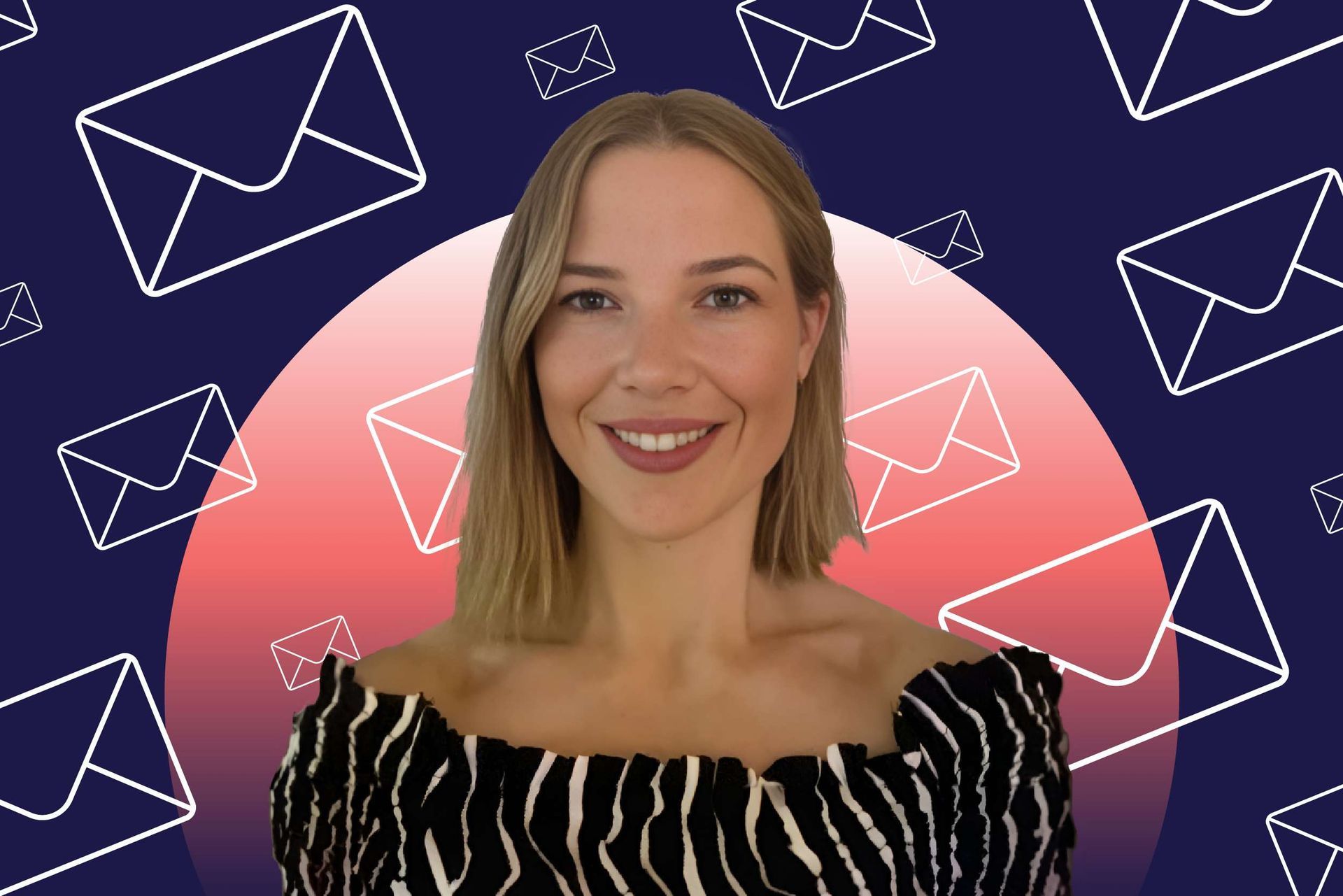
Q&A: esbconnect CEO Suzanna Chaplin on challenges facing marketers today
What are the biggest challenges in digital marketing right now?
Without doubt, the biggest is the imminent demise of the cookie. Even while cookies prevail in Chrome, for now at least, we should remember that 40% of the market is already cookieless. Post-cookie, the volume of addressable data will disappear and brands will need alternative solutions.
How do you see brands trying to deal with this?
Some are looking for the replacement for the cookie in terms of another identifier, though frankly, I’ve yet to see a convincing solution. Others see an answer in contextual targeting, which has its merits, in terms of not requiring any data on the people you are trying to target, but also its limitations. Contextuality is a broad brush, and if you only ever target people based on the content they are looking at right now, you limit your ability to target people who have previously shown an interest in that type of content when they are looking at other things. Others are turning to their own first-party data, which is fine if, like some of the big retailers running massive loyalty schemes, you have it. If not, it can take time – and requires investment into long-term program – to build a first-party database with any meaningful scale.
What’s the approach you are taking with your clients?
We’re in a very good position. We have built an opted-in email database of 17m UK consumers and 2m B2B email addresses, with more than 400 attributes spanning demographic, behavioural and modelled data. So that’s everything from age to income, marital status, proximity to specific retail outlets and people who have been actively researching certain product categories. It also includes action taken when consumers receive an email. Because, just like search and social, email provides powerful behavioural signals when you track what happens after an email arrives in someone’s inbox.
It’s one of the largest scaled, addressable data sets in the UK, and it’s compliant with all major data privacy regulations, including GDPR, CCPA and COPPA. It’s also completely cookieless – all our data comes from consumers who have shared it with us, with their consent for us to share it with our marketing partners.
Previously, this type of data has typically only been available through the walled gardens, which, ironically, are now largely reducing the targeting segments available. But our Inbox Extend solution opens it up to any type of business looking to target opted-in users at a granular level. Current users include well-known brands such as Clarks, Karen Millen, Hello Fresh, IcelandAir, Liz Earle and British Gas.
So do brands still see email as a powerful marketing tool?
They do, and with good reason. Email is the first platform consumers turn to for promotions. A YouGov study found that 25% of people start their day by checking their email, while research from Adobe suggests that we spend an average of 6.4 hours each day in our inboxes.
We work with more than 130 brands a month. 75% of our clients have been with us for more than five years, and we are typically the top ROI performer for our clients. But the real beauty of Inbox Extend is that, as the name suggests, it extends the power of email beyond the inbox. Our clients can use our email data in their other paid media channels, including social, to target consumers using all the attributes mentioned earlier when they are checking their social feeds, or browsing their favourite websites, or even offline. It’s everything the cookie used to offer, without the baggage associated with it.
Can you give us a typical use-case scenario?
There are a few scenarios which explain how it works. Let’s say you’re a social media manager who was previously using audience segments such as Salary, which were available via Meta. These audience segments have now been redacted, but with esb, you can build the audience segment using our database of 17 million consumers based on the attributes you are targeting – say, declared income status. We will then push this audience segment into Meta for you to run media against.
Another scenario is where we are running activity via email for your brand. In this instance, we can push people who click on or open your email into programmatic, via Eyeota or Meta, for you to target against.
Finally, if you are looking to reach high-intent audiences for a brand you are working on in programmatic, we can provide recent clickers from email campaigns we have sent for that vertical.
Also published in: Mobile Marketing Magazine
More from our team & client partners