
SHORT AND SWEET: THE SECRET TO SUCCESSFUL INFLUENCER MARKETING AND CONTENT
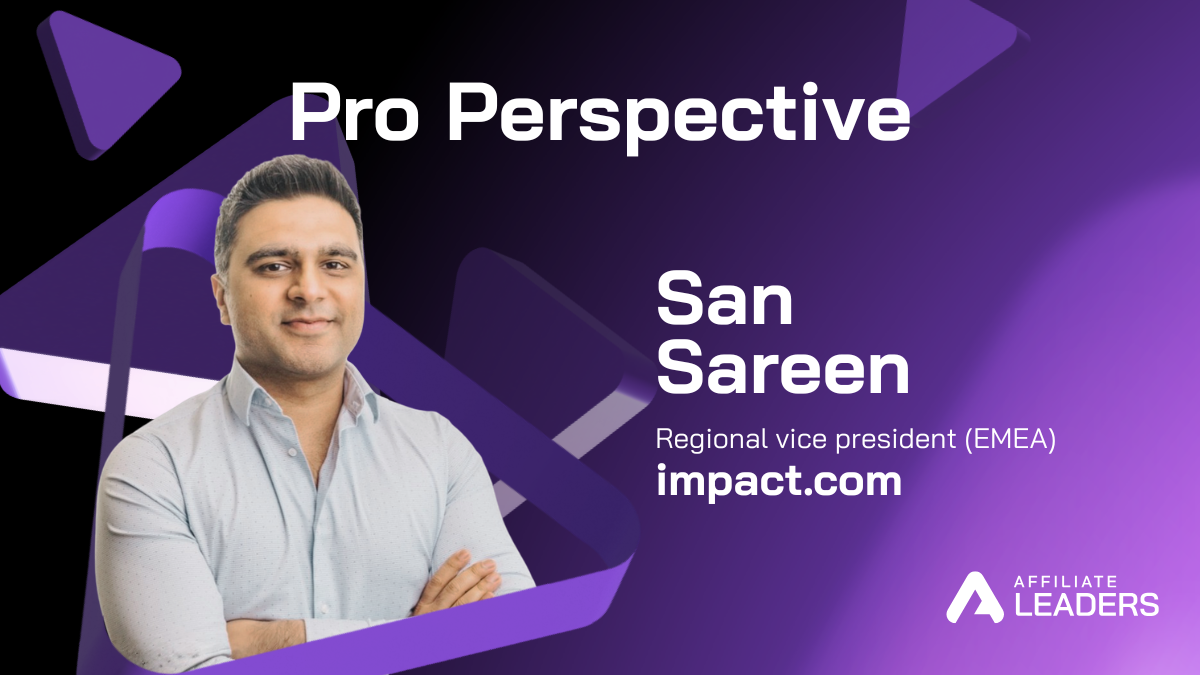
With influencer marketing becoming increasingly important for brands, we caught up with San Sareen, Director, EMEA Influencers and Creators at impact.com, to discuss the evolution of this growing channel.
There’s much talk about influencer marketing today. So, what’s the state of things?
It’s not surprising because it’s an area of marketing that’s exploding. In the last seven years, it’s grown x12, and the market is expected to be worth $21 billion by the end of this year.
And the reason is that it’s a channel helping drive purchasing decisions. Our research shows that 70% of UK shoppers sometimes, frequently, or always buy products based on influencer recommendations.
How are you seeing influencer marketing evolving in 2023?
When it comes to content, the fundamental change is being driven by people’s behaviour, particularly how long they’ll spend focusing on it. Attention spans are plummeting. Twenty years ago, someone would be happy to focus on a screen for two and a half minutes. Fast forward to now, and it’s 47 seconds. The result is that creators are now adopting short-form video as the de facto approach.
This shortened attention span is balanced with bursts of intense focus. That’s why Tik Tok focused on snappy, attention-grabbing videos – and why the other platforms followed suit. For example, the content that drives the most engagement on Instagram is just 26 seconds.
Marketers must consider (and cater for) the shorter attention span and sensory overload we all face every day.
What should marketers do to ensure their content resonates in this short-form world?
There are four content considerations you need to factor into your activity.
Firstly, ensure your content is accessible. Forget that hour-long webinar, great though the content may be. If people only have a spare 30 seconds, keep it short and make sure you get straight to the point.
Secondly, make it shareable. If it’s short, interesting, and easy to share, people will do so. And that means more eyes on your content.
Then, make sure your content is social. Allow people to respond to it and encourage interactivity: this is what determines if it will resonate and catch fire among an audience.
Finally, and critically, make sure your content is easy to produce. In doing so, new ideas can easily be tested. You can then see what’s working (or not), allowing you to respond to trends and pivot campaigns and content quickly.
Ultimately, the best short-form content is brief, engaging, entertaining, enjoyable and leaves the viewer wanting more.
With trust in advertising low – and public favourability to it at just 25% – how is this impacting influencer marketing?
It comes down to authenticity. If people think you’re faking it, you lose their trust for good.
People are becoming savvier about the content they consume and where they turn for advice, so trust and authenticity are more essential than ever. Research we carried out this year highlighted that they’re more likely to trust the reviews and opinions of industry specialists (56% say this) and someone they consider to be like them (68%). But when it comes to celebrity endorsement, only 33% indicate this influences their decisions.
Today, 88% of consumers say it’s important for influencers to genuinely care about their interests. That’s why we’re seeing the rise of de-influencing as a concept. Rather than promoting products, they are reacting to consumerism by calling out influencers who oversell products and their benefits. They’re helping their audience save money and avoid disappointment, and there’s nothing more authentic than this.
There’s a shift where honest opinions matter, and a brand’s values and content must align to be authentic. Now we’re seeing a move from social advertising to social partnerships. And these must be long-term partnerships. After all, when creators feel comfortable giving their real opinions, it’s easier for them to find brands that truly align with their values.
This openness and authenticity foster a positive relationship between brands, consumers, and influencers, but it requires time, nurturing, and patience. Trust is vital to long-term success, and when a partner with an established audience recommends your product or service, this trust gets transferred to you.
Naturally, not all influencers are the right fit for your brand. Building trust requires brands and influencers to connect better. That’s why researching, understanding, and identifying those creators that align with your brand is so important. Only then can you begin to ensure authenticity.
So how does influencer marketing fit in with affiliate and paid social channels?
Today we’re seeing an evolution in the relationship between these three. Once discreet and handled by separate teams, now the lines are blurred. What’s critical is integrating these programmes. Not only does this simplify your approach, but it lets you deliver a full-funnel marketing strategy.
While influencers widen the top of the funnel and lead their audiences down, affiliate marketing drives conversions at the bottom. At the same time, paid social media campaigns complement these by broadening the audience so your content reaches a wider audience and lands the messages to a more relevant customer base.
Simplification also means greater efficiencies and revenue, and central to this is technology. Today, marketing teams can streamline their approach and manage recruitment, contract, track, payment, draft approvals, and collaborate with creators and affiliates on a single platform.
And one platform means one complete data view so you can track each stage of a customer’s journey down the sales funnel. This visibility lets you optimise and incentivise your creators and encourage them to play to their strengths so your partnership programmes yield maximum results. And this all means a stronger influencer marketing programme.
More from our team & client partners