
What adland leaders need to do to end crime-funding ad fraud
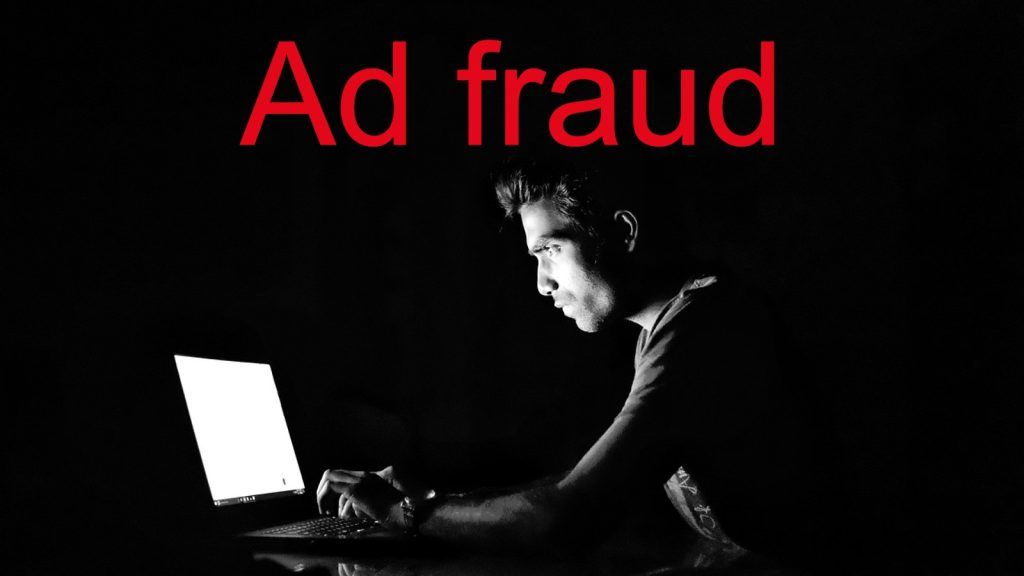
Despite the best efforts of the digital advertising sector to combat it, global ad fraud remains a thorny issue for an industry where credibility is everything.
But with regulation still playing catch up and bad actors seemingly more sophisticated than the industry they are damaging, what can adland do about it?
Ian Moss, from industry group UK Stop Ad Funded Crime UKSAFC, addresses the issues and how the industry needs to come together to tackle the crime-funding instances of ad fraud…
As an industry, we have talked about ad fraud ad nauseam. Research suggests the share of fraud in digital advertising spending globally will in fact grow from 22% in 2023 to 23% by 2028.
And that is only what we can capture and calculate – there is no doubt that we do not have full line of sight over all fraudulent activity.
As this forecast shows, simply recognising that the issue exists will not cut it. Now it’s time for action.
Identifying value in a complex ecosystem
The problem is, the ad ecosystem has grown up very quickly in a largely unregulated way, to a point where it’s not always obvious what the value added is – with a multitude of intermediaries with different functions in the middle, all taking their cut, while often diluting the supply chain.
Anyone can insert themself into a bidding system, and buy and sell on repeat. But this arbitrage in the middle is not always adding value, so we’ve reached a point where the system isn’t working as well as it should for brands or publishers, because the incentives are all-too often the system itself, not the outcomes.
Last year, UKSAFC – a group representing all sides of the advertising world – identified key actions to guide advertisers in our mutual campaign against ad fraud, a mission articulated through the following framework:
1. Identify best practices
2. Be accountable
3. Be transparent
4. Take collective action.
So how do we combat the persistent and growing threat of ad fraud by taking collective action?
We have reached a point where many vendors are offering interesting solutions in an attempt to prevent fraud, and ad agencies in particular are sometimes using a whole suite of these tools and systems to try to maintain data control.
In these cases, the intentions are good – but the costs are high when compared to the outcomes. And so the fraud persists.
If we are investing such significant sums and resources on tools to prevent fraud, surely a system-wide approach in reducing the overall level of fraud would be a more cost effective approach. So how should we go about it?
How to take collective action
1. Common industry standards
One of the downsides of the rapid growth of digital advertising is that we are operating in increasingly opaque and complex ecosystems, making it hard for brands and publishers to know who exactly they are working with.
This, in turn, has allowed for certain players to insert themselves into key processes without being held accountable.
Having a widely embraced set of standards, which would bring about an audit trail for brands and agencies, would vastly improve transparency and minimise exposure to fraud.
2. Know your customer
Fundamentally, what advertisers need is a set of basic checks, designed to show where ad spend is going, and that work is being handed off to a legitimate publisher/partner in the chain.
This will bring confidence among advertisers that they can always identify exactly who they are paying, and what value they are adding.
Only with transparency and commonality in the verification of partners can we streamline vetting processes and identify not just bad actors, but inefficient ones too.
3. Innovate – but do it together
With so much spend already pouring into mechanisms designed to protect against ad fraud, the impact of channelling those combined funds in a focussed and united direction would be exponential.
Adtech innovations have blossomed in the face of the threat, but quite frankly, the results so far are limited. Technology can and should be our friend if developed cohesively and with a common purpose.
4. Collaboration across industry sectors – and divides
Individuals in the system cannot affect meaningful change on their own. One obvious course of action to encourage greater unity is to join existing coalitions.
While different brands will have different tolerances for risk, and different views as to what constitutes a legitimate, brand-safe ad placement, they cannot make that judgement if they do not know where the spend or the impression itself is going.
Systems need to work for everyone, from all parts of the adtech industry, and knowledge should be consistently shared to enable all players to maintain some control over their inventory.
It is evident that the industry as a whole recognises the problem.
What needs to happen now, to address ad fraud once and for all, is for everyone to come together to identify and fund unified, workable solutions – before more cumbersome, fragmented solutions are forced upon it.
Also published in: Mediashotz
More from our team & client partners